
 07474 330 711
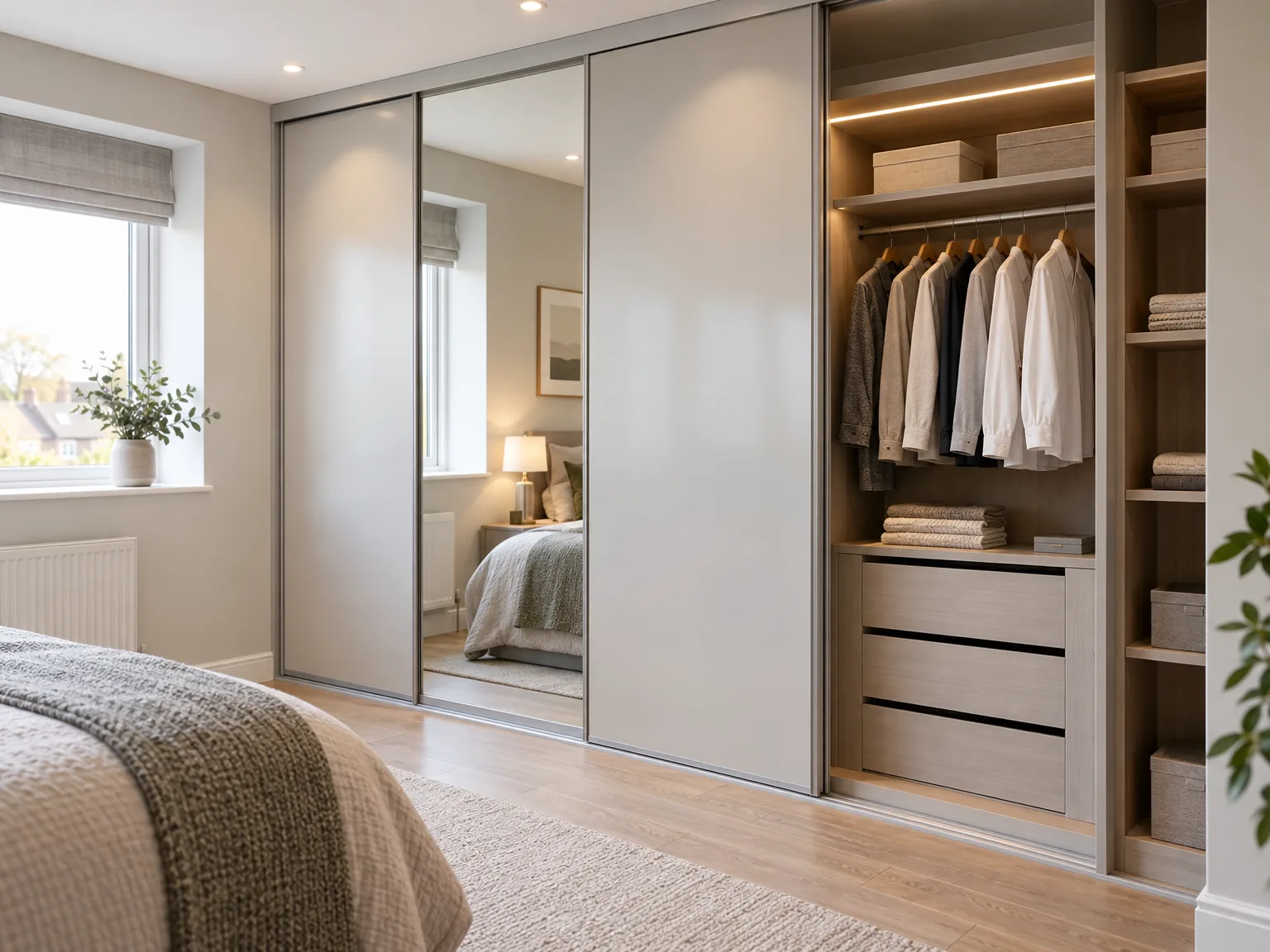
The Complete Guide to Hiring a Wardrobe Fitter
A bedroom that works hard for you starts with storage that fits the space - not the other way around. Whether you are refurbishing a master bedroom or upgrading a spare room ahead of a sale, investing in fitted wardrobes is one of the most impactful decisions you can make. The challenge lies in doing it well: finding the right professional, understanding the process and knowing what to expect at every stage.
What This Guide Covers
From your first enquiry through to the final finish, a skilled wardrobe fitter brings precision, experience and accountability to a project that demands all three. This guide walks you through service types, what questions to ask and how to prepare your home for installation.
Built Around Your Home
Fitted wardrobes are not off-the-shelf solutions - they are purpose-built to your room's exact dimensions and your personal requirements. That distinction shapes every decision you will make along the way.
What Does a Wardrobe Fitter Actually Do?
Most people picture a wardrobe as a box in the corner. A skilled wardrobe fitter sees something quite different: a bespoke storage system shaped precisely around your walls, ceiling height, alcoves and doorways. The role demands accuracy from the first measurement to the very last fitting.
Before a Single Panel Goes Up
The work begins well before installation. A fitter will:
- measure the room meticulously, accounting for uneven walls and ceiling drops
- assess existing finishes so every panel and trim aligns cleanly with the surrounding décor
- confirm the placement of doors, handles and internal fixtures based on your requirements
Supply, Fit, or Both
Depending on your arrangement, a fitter may source materials directly or work with units you have already purchased from a retailer. Either way, the end result should look deliberately built-in - not simply assembled and left to its own devices.
Supply & Fit vs Fit-Only: Which Service Do You Need?
Two distinct service models exist to suit different circumstances, and understanding which applies to your project will shape both the scope and the structure of work from the very first conversation.
Already Bought Your Units?
If you have purchased wardrobes from a retailer such as IKEA or Wickes, a Fit-Only service is the straightforward choice. You supply the materials; a skilled wardrobe fitter handles every aspect of installation - assembly, alignment, and finishing - ensuring the result looks built-in rather than shop-bought.
Prefer a Hands-Off Approach?
Supply & Fit removes the sourcing burden entirely. The fitter procures suitable materials on your behalf and manages the project from specification through to completion. This option suits clients who:
- want a single point of contact for both materials and labour
- prefer not to transport or store flat-pack units
- are combining wardrobe work with a broader interior renovation
How to Choose the Right Wardrobe Fitter for Your Home
Not every tradesperson who owns a drill is qualified to design and install fitted storage that genuinely enhances your home. Choosing well means looking beyond the lowest quote.
Verify Insurance and Process
A trustworthy wardrobe fitter should carry public liability insurance as standard - this protects your property if anything goes wrong during installation. Equally important is a clear, structured workflow: initial enquiry, on-site survey, formal quotation, and a written contract before work begins. Transparency at every stage signals professionalism and reduces the risk of costly misunderstandings.
Assess Wider Interior Experience
Fitted wardrobes rarely exist in isolation. The best installers understand how storage must integrate with the broader interior scheme - door profiles, wall finishes, and room proportions all influence the result. Look for someone experienced across complementary trades such as door fitting and wall panelling, so your wardrobe sits cohesively within the finished space rather than standing apart from it.
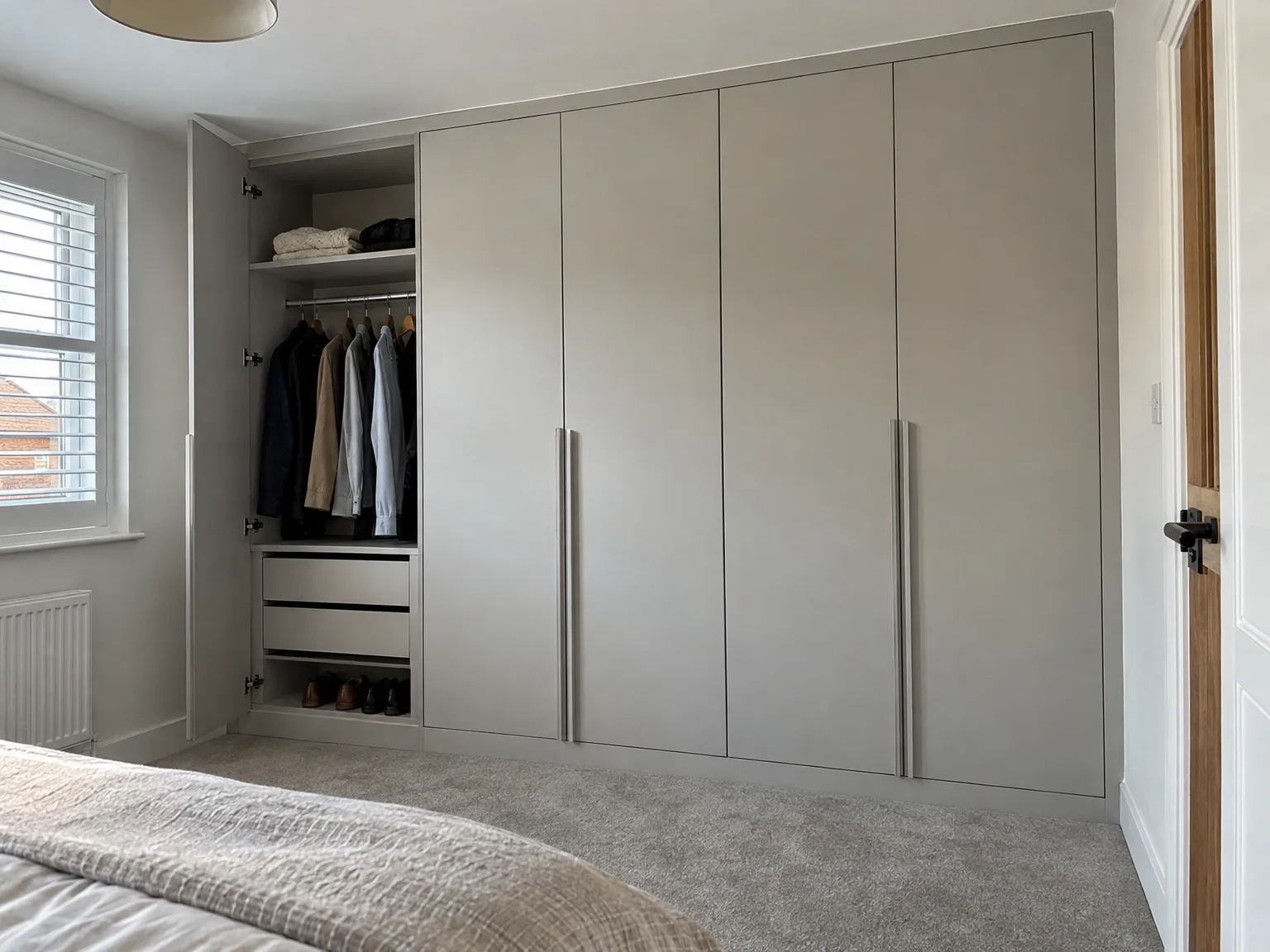
Questions to Ask Your Wardrobe Fitter Before Work Begins
A few well-placed questions before any work begins can save considerable time, money and frustration. Start by clarifying the service model: is it Supply & Fit, where the company sources and installs all materials, or Fit-Only, where you supply units from a retailer such as IKEA or Wickes? The answer shapes your budget planning and your responsibilities entirely.
Measurements and Site Survey
Ask how measurements will be taken and whether an on-site survey is included. A reputable wardrobe fitter will visit the room in person rather than relying solely on dimensions you provide - walls are rarely perfectly square, and precision here prevents costly errors during installation.
Contracts and Insurance
Before any work starts, confirm that a formal written contract will be issued. Ask also whether the company holds Public Liability insurance. Both protect you if something goes wrong on your property.
What to Expect from the Measurement and Survey Process
The free on-site survey is where a wardrobe project moves from rough idea to precise reality. Photographs sent via WhatsApp can provide a useful starting point for a preliminary estimate, but nothing replaces a physical visit. Your wardrobe fitter will record exact room dimensions, assess wall and floor conditions, and clarify your specific storage requirements before any work is confirmed.
What the survey covers
During the visit, expect the fitter to assess:
- Room dimensions, including ceiling height and any alcoves or recesses
- Wall and floor conditions, which directly influence the quality of the final fit
- Storage requirements, such as hanging space, shelving, or drawer configurations
- Any bespoke features to be incorporated into the design
From survey to firm quotation
Measurements taken on-site allow for a detailed, accurate quotation - removing guesswork and ensuring the finished installation fits without compromise or the need for costly adjustment later.
Why Insurance Matters When Hiring a Wardrobe Fitter
Hiring someone to work inside your home always carries an element of risk. Accidents happen on even routine jobs - a drill slips, a bracket catches a pipe, a panel falls against a skirting board. Without adequate cover, the cost of putting things right falls on you, not the tradesperson.
What Public Liability Covers
Public liability insurance protects your property against accidental damage caused during the fitting process, ensuring any repairs become the insurer's responsibility rather than yours. Any reputable wardrobe fitter will carry this cover as standard and volunteer the information upfront.
Before You Book Anyone
Always ask for confirmation before work starts. Key points to verify:
- Check that the fitter's public liability insurance is currently active.
- Request written confirmation so you have it on file alongside your contract.
- Ensure the policy specifically covers domestic interior work.
Skipping this check can turn a simple installation into a costly dispute.
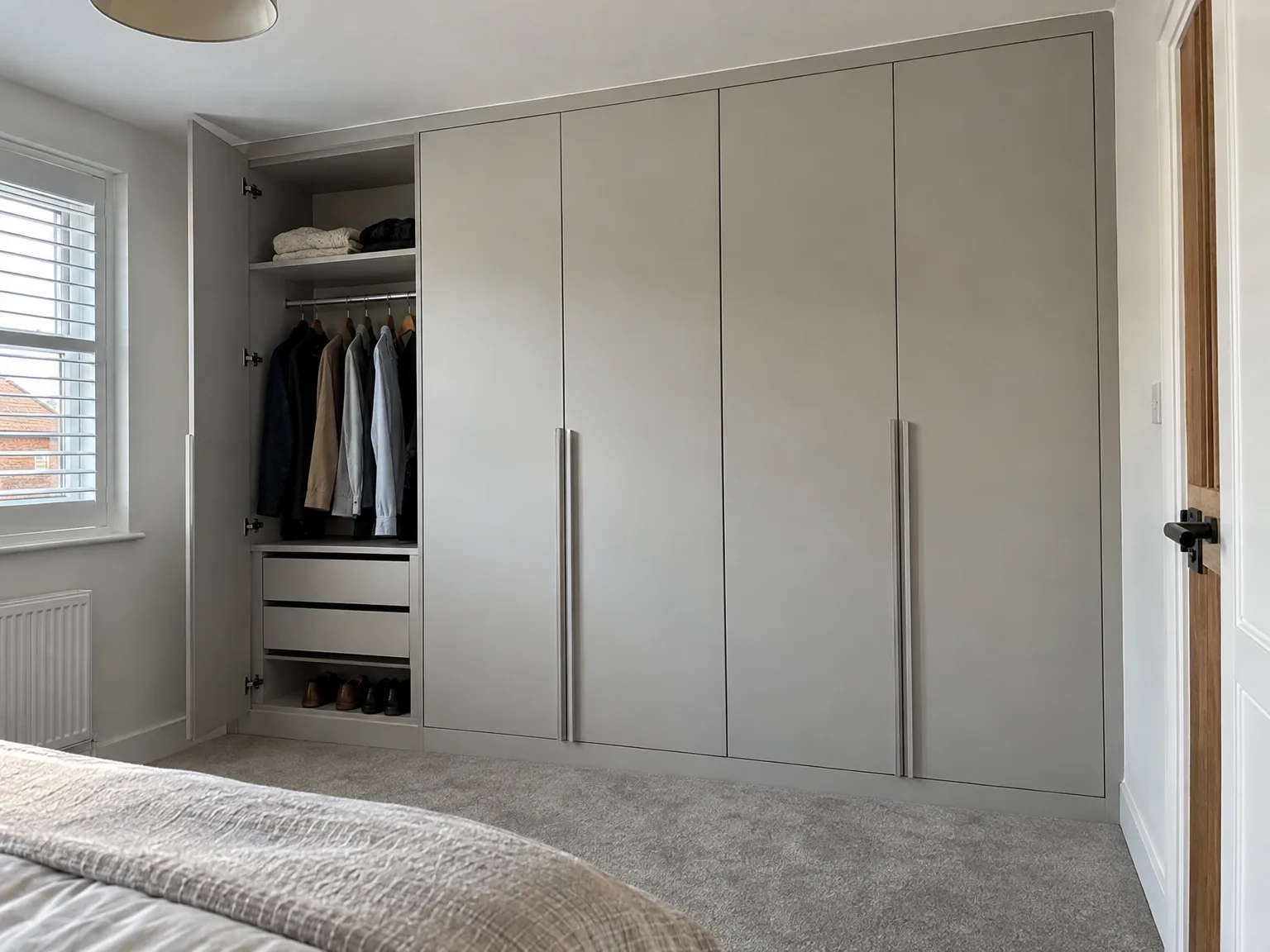
How a Wardrobe Fitter Coordinates with Wider Home Renovation Projects
Bedroom storage rarely exists in isolation. When you're refurbishing a master bedroom alongside a bathroom renovation or kitchen remodel, timing each trade carefully makes the difference between a smooth project and weeks of disruption. A skilled wardrobe fitter who also handles door fitting, wall panelling and media walls can synchronise schedules across multiple rooms - keeping finishes consistent and reducing the number of contractors you need to manage.
One contractor, multiple rooms
Working with a company that covers a broad range of interior finishing disciplines means your wardrobe design, door frames and feature walls can all draw from the same palette. This keeps the visual language of the home coherent from room to room.
Coordinated scheduling matters
- Wardrobe installation is typically sequenced after plastering and decorating but before final flooring trims.
- Aligning trades early prevents costly rework when finishes clash or spaces are left too tight.
- A single point of contact streamlines communication and keeps the project on programme.
Getting an Accurate Quote from Your Wardrobe Fitter
Getting an accurate quote starts with a simple first step: send photographs of your bedroom via WhatsApp to receive a preliminary estimate. This lets your wardrobe fitter gauge the scope of the project before any visits are arranged, saving time on both sides.
Why the On-Site Survey Matters
A free on-site survey follows. The fitter takes precise measurements and confirms your specifications - materials, layout, finishes and any bespoke requirements. This is where vague ideas become firm decisions, and where realistic expectations are set before a single panel is cut.
What the Quote Should Cover
Expect the final quotation to reflect the full scope of works. Whether you opt for Supply & Fit or Fit-Only, the quote should clearly document labour, materials and timescales, leaving no room for surprises once work begins.
Common Mistakes to Avoid When Booking a Wardrobe Fitter
Booking without preparation is one of the most common ways a fitted wardrobe project goes wrong. Even a skilled wardrobe fitter cannot protect you from problems that stem from vague agreements or unverified credentials.
The Three Costliest Oversights
Before work begins, make sure you avoid these critical errors:
- No formal contract: without a signed agreement, scope, timeline and payment terms remain open to misinterpretation.
- Unverified insurance: always confirm Public Liability cover is in place - it protects your property if anything goes wrong during installation.
- Unclear material arrangements: failing to establish whether the quote covers Supply & Fit or Fit-Only can lead to unexpected gaps in responsibility.
Get Everything in Writing
Poor communication at the quoting stage compounds all of these issues. Use the initial enquiry - including photographs via WhatsApp and a free on-site survey - to confirm every specification in writing before committing.
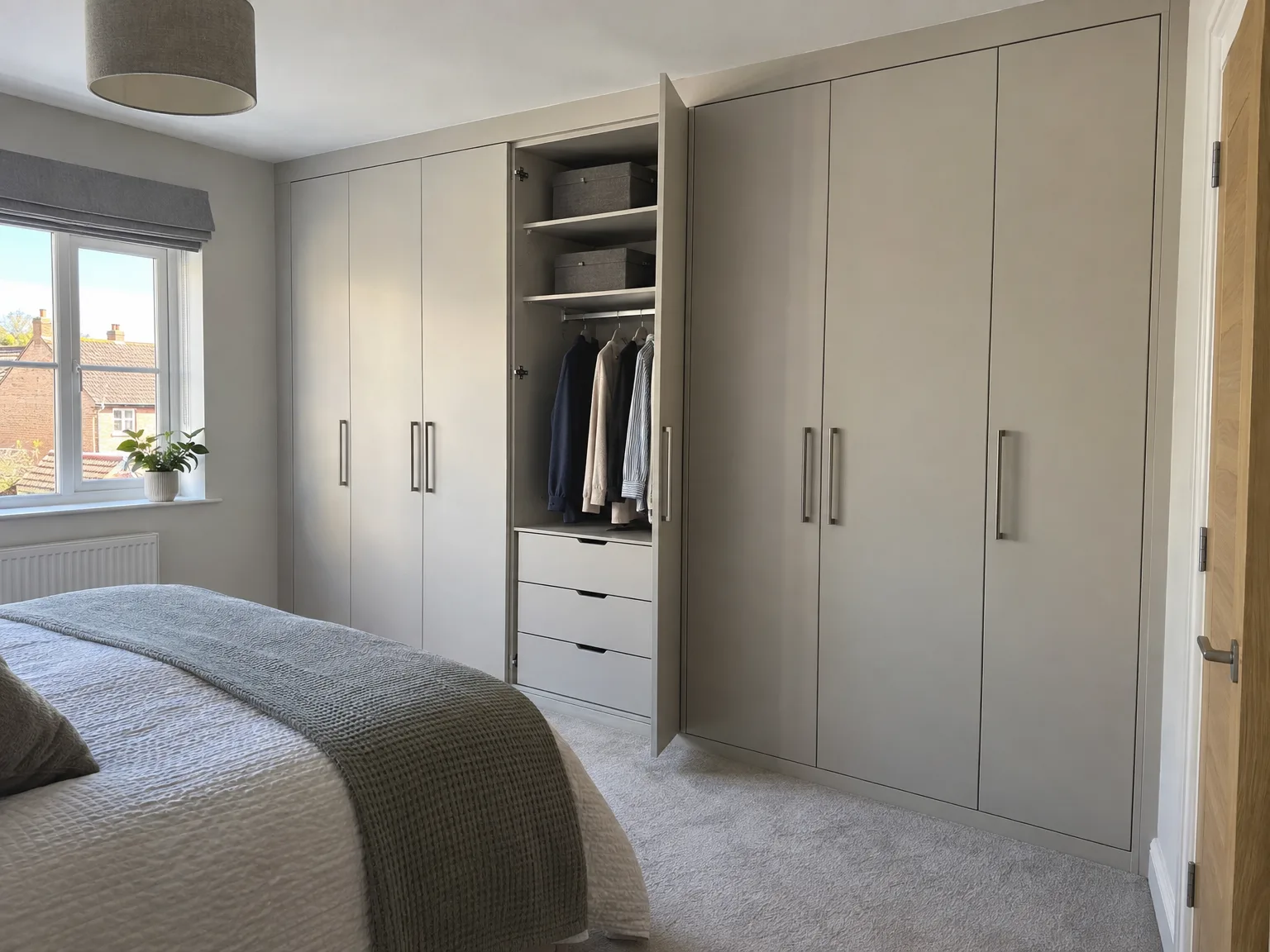
How to Prepare Your Bedroom Before the Wardrobe Fitter Arrives
A little preparation goes a long way. Before your wardrobe fitter arrives, take time to clear the intended installation wall entirely - moving furniture, lifting loose rugs and removing personal items stored in existing wardrobes or piled in corners. The fitter needs unobstructed access to walls, skirting boards and ceiling lines to measure, mark and work safely from the outset.
Clear the Space Completely
- Move beds, bedside tables and chests of drawers to the far side of the room.
- Remove wall-hung mirrors, picture frames or shelving close to the installation area.
- Roll up rugs and protect hard flooring with dust sheets.
Check Walls in Advance
Inspect walls for damp, loose plaster or uneven surfaces and flag these before work begins - addressing them early avoids unnecessary delays mid-project. If new flooring is also planned, confirm the order of trades so the wardrobe installation falls in the correct sequence.
Signs of Quality Workmanship from a Professional Wardrobe Fitter
A poorly fitted wardrobe announces itself immediately - doors that catch, gaps that widen with the seasons, panels that bow away from the wall. Quality workmanship, by contrast, is almost invisible. Everything simply looks as though it was always there.
Alignment, Gaps and Tolerances
The clearest indicator of a skilled wardrobe fitter is consistent alignment across every door and drawer. Gaps should be uniform throughout, hinges adjusted so each panel swings cleanly, and no door should require force to close. Run your eye along the faces: any twist or deviation signals a problem beneath the surface.
Fixings, Finish and Integration
Structural fixings must anchor securely into studs or masonry rather than plasterboard alone. Beyond stability, the finish tells its own story - clean scribe cuts where the unit meets an uneven wall, colour-matched edging, and skirting that flows naturally into the surrounding room. That seamless integration is what separates genuinely professional work from a competent assembly job.
FAQ - Frequently asked questions
What is the difference between fitted wardrobes and standard shop-bought wardrobes?
Fitted wardrobes are purpose-built storage systems designed specifically to your room's exact dimensions, walls, ceiling height, alcoves and doorways. Unlike off-the-shelf solutions, they are bespoke and shaped precisely around your home's individual characteristics. A skilled wardrobe fitter ensures every panel and trim aligns cleanly with the surrounding décor, resulting in a deliberately built-in appearance rather than simply an assembled product.
What is the difference between Fit-Only and Supply & Fit services?
With Fit-Only, you purchase wardrobes from a retailer and the fitter handles assembly, alignment and finishing to ensure the result looks built-in. Supply & Fit removes the sourcing burden entirely - the fitter procures suitable materials on your behalf and manages the entire project from specification through to completion. Supply & Fit suits clients who prefer a single point of contact, wish to avoid transporting flat-pack units, or are combining wardrobe work with a broader interior renovation.
What preparatory work does a wardrobe fitter undertake before installation begins?
Before a single panel goes up, a skilled fitter measures the room meticulously, accounting for uneven walls and ceiling drops. They assess existing finishes to ensure every panel and trim aligns cleanly with the surrounding décor, and they confirm the placement of doors, handles and internal fixtures based on your requirements. This precision during the planning stage is essential to achieving a successful installation that truly enhances your home.